The Value of Personalized Care Plans for Seniors in Assisted Living
@vdxdate6sq
October 7, 2026 · 7 min read
When my mother first moved into an assisted living community, I remember sitting in the small conference room with a social worker who handed me a stack of forms. The intake packet was thick, the questions repetitive, and I felt like we were just checking boxes. The facility promised "individualized attention," but what that meant on paper felt generic. I have come to believe that the difference between a good senior living experience and a mediocre one often comes down to how well the staff understands the person behind the diagnosis. That is why personalized care plans seniors deserve are not just a nice extra. They are the foundation of genuine support.
Over the past decade, I have visited dozens of assisted living and memory care communities, both professionally and as a family member. I have seen the same pattern repeat: a resident arrives with a list of medical needs and a family full of hope, and within weeks the staff is stretched thin, the activities feel one-size-fits-all, and the resident starts to withdraw. The root cause is almost always the same - the care plan was built around the facility's schedule rather than the resident's life. Personalized care plans seniors need are built the other way around. They start with the person's history, preferences, daily rhythms, and emotional triggers, and then the community adapts around them.
What a Personalized Care Plan Actually Looks Like
A truly personalized care plan is not a document you fill out once and file away. It is a living framework that evolves as the senior's needs change. For someone with early-stage memory loss, the plan might focus on maintaining independence through structured routines and familiar activities. For a person recovering from a fall, the plan might emphasize physical therapy, nutrition adjustments, and fall-prevention strategies. The key is that the plan is written with input from the senior, their family, and the care team, and it is reviewed regularly.
In practice, that means a care coordinator who knows that Mrs. Thompson prefers to shower in the evening rather than the morning because she has always been a night owl. It means the chef knows that Mr. Garcia has trouble swallowing certain textures and adjusts his meals accordingly. It means the activities director schedules Mrs. Lee's favorite watercolor class on Tuesday afternoons because she is always more alert after lunch. These details might seem small, but they add up to a life that feels familiar and dignified rather than institutional.
Why Generic Plans Fall Short
Many communities use standardized assessment tools that ask about medications, mobility, and cognitive function. Those tools are useful, but they miss the human elements that make each person unique. A generic plan might list "assist with bathing" and "encourage social interaction," but it will not note that the resident is embarrassed about needing help or that they become anxious in large groups. Without that nuance, care becomes transactional. The resident feels like a task to be completed rather than a person to be understood.
I have also seen the opposite happen. In one community, a resident with dementia would become agitated every afternoon around 3 PM. The staff assumed it was Sundowning Syndrome and tried to calm him with medication. But a careful review of his history revealed that he had worked the night shift for forty years and 3 PM was when he used to wake up. His body was still on a nocturnal schedule. Once the team adjusted his daily routine to include a late afternoon nap and a later bedtime, the agitation disappeared. That kind of insight only comes from a personalized approach.
Building Trust Through Personalization
Families often feel a deep sense of guilt when they move a loved one into assisted living. They worry that no one will know their mother the way they do. A strong personalized care plan directly addresses that fear. When the staff can tell you what your father likes to eat for breakfast, which music calms him, and what time he likes to walk, trust grows. That trust is essential for the whole family to feel at peace with the decision.
Personalized care plans seniors benefit from also help reduce medication errors and behavioral incidents. When the plan accounts for a resident's sleep patterns, pain thresholds, and communication style, the staff can anticipate needs before they become crises. For example, if a resident with diabetes tends to have low blood sugar in the late morning, a personalized plan will schedule a snack at 10 AM, not just a generic meal time. That kind of foresight prevents hospital visits and keeps the resident feeling stable and safe.
Memory Care: Where Personalization Matters Most
Memory care is perhaps the area where personalized plans are most critical. People living with dementia often lose the ability to communicate their needs verbally. They may act out because they are confused, frightened, or in pain. A generic approach that treats all memory loss the same can lead to overmedication or restraint. A personalized plan, on the other hand, draws on the person's life story. It knows that Mrs. Carter used to be a nurse and finds comfort in folding towels. It knows that Mr. Singh becomes calm when he hears sitar music. These small connections can transform a day from agitated to peaceful.
I visited a memory care unit once where a resident would pace the hallway for hours, calling out for her husband who had passed away years earlier. The standard protocol was to redirect her with a snack or a quiet activity, but nothing worked. A staff member discovered that the woman had been a schoolteacher and used to organize her classroom every afternoon. The team set up a small desk with papers and a calendar, and the woman immediately sat down and began sorting "lesson plans." Her anxiety dropped. That is the power of knowing the person behind the diagnosis.
What Families Should Look For
If you are touring assisted living communities for a loved one, ask specific questions about how care plans are created and updated. Here are a few things to look for:
- Does the community conduct a comprehensive life history interview when a new resident moves in? This should go beyond medical history to include hobbies, routines, fears, and preferences.
- Are care plans reviewed at least monthly, and more often if there is a change in condition? A static plan is not a personalized plan.
- Does the care team include the resident and family in the planning process? You should feel like a partner, not a bystander.
- How does the staff communicate changes to the plan? Consistent, clear updates build trust.
- Are there examples of how the plan has been adjusted for specific residents? A good community will share stories, not just policies.
These questions will help you separate communities that talk about personalization from those that actually practice it. The best indicator is whether the staff can tell you something meaningful about each resident they serve.
Technology Versus Human Touch
Some communities now use software to track resident data and generate care recommendations. Technology can be a helpful tool, but it should never replace the judgment of a trained caregiver. A computer can tell you that a resident's blood pressure is elevated, but it takes a human to notice that the resident is anxious because their daughter hasn't visited in a week. The most effective approach combines data with conversation. Personalized care plans seniors rely on both objective information and subjective understanding.
I have seen communities where the electronic health record is full of detailed notes, but the staff never reads them because they are too busy. That is a failure of implementation, not of the concept. True personalization requires a culture where every staff member, from the nursing director to the dining room aide, sees the resident as a whole person. That culture has to be modeled from the top down and reinforced every day.
A Final Thought on the Journey
Choosing a senior living community is one of the hardest decisions a family can make. You want to know that your loved one will be safe, yes, but also that they will be seen. The phrase "personalized care plans seniors" gets tossed around a lot in marketing materials, but it means something real when you experience it. It means the difference between a place where your parent merely exists and a place where they can still live with purpose and joy.
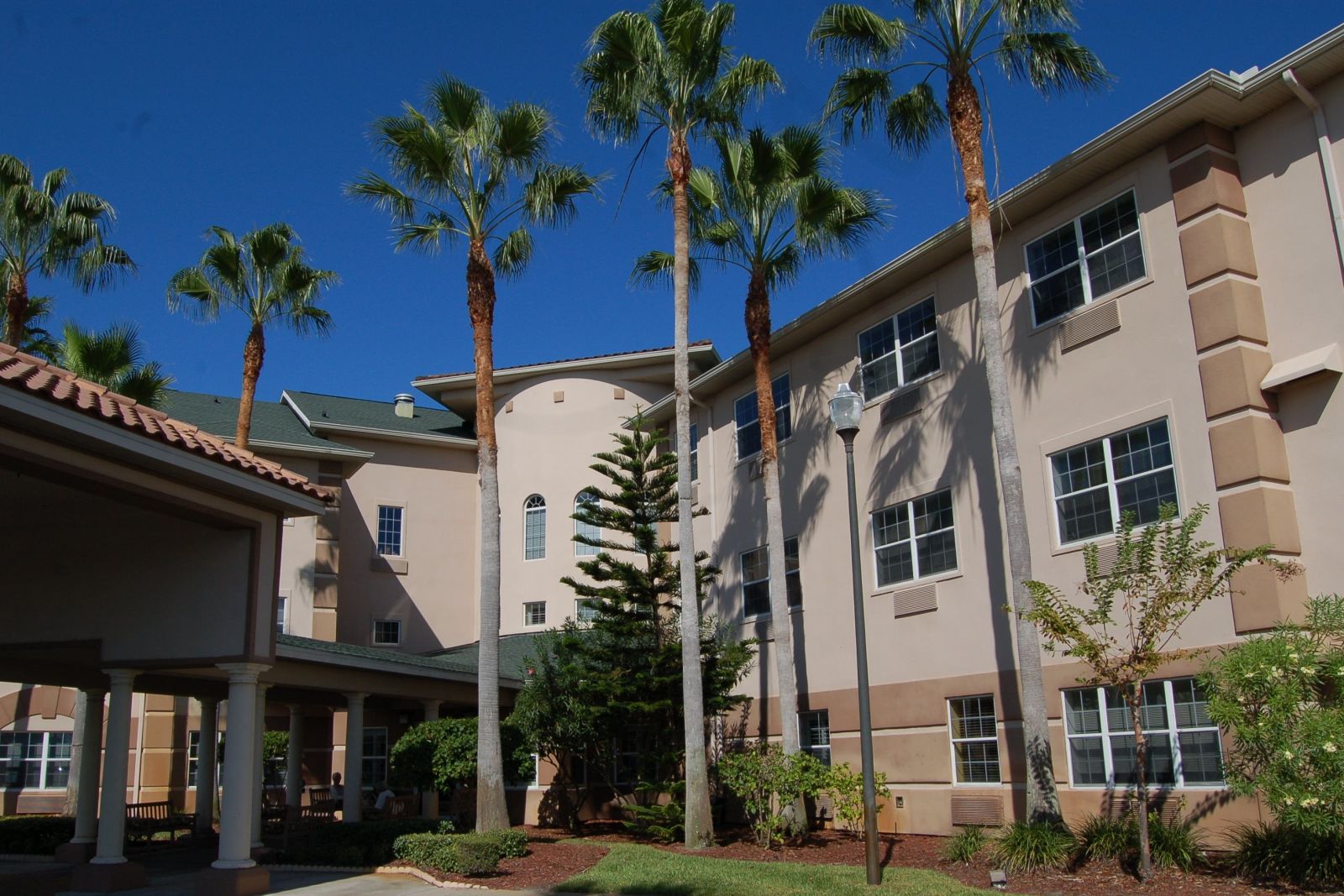
Hibiscus Court, located at 540 E Hibiscus Blvd, Melbourne, FL 32901, USA, offers assisted living, memory care, and respite services with personalized support for seniors and their families. You can reach them at +1 321-361-5997 to learn more about how they approach care planning for each individual.
Connect with us on Facebook.